
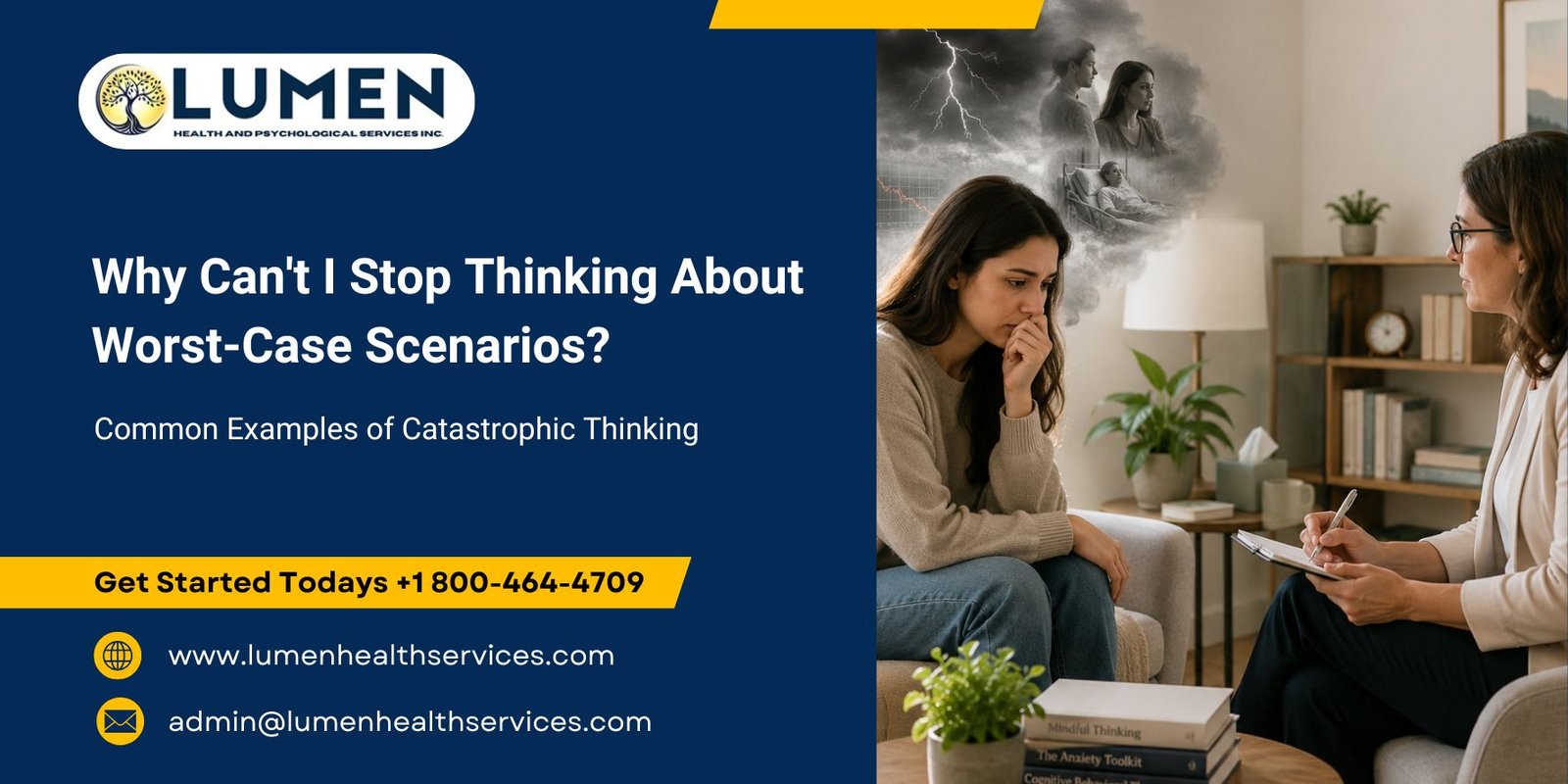
If you find yourself thinking the most negative thoughts, you’re in good company. Many people think “no big deal” when they lose their jobs after making a small error, that a loved one’s sickness is something serious if they fail to answer the phone or that a minor health symptom is a serious sickness. This is called catastrophizing, and this is a thinking style that very often occurs where the brain anticipates the worst-case scenario despite minimal evidence.
It is normal to think the worst thing that could happen occasionally, particularly in stressful situations. But as it happens more often, it can make life stressful, make decisions difficult, strain relationships and make life feel overwhelming. The positive message is that catastrophic thinking is recognized and modified through appropriate strategies and support.
What Is Catastrophizing?
Catastrophizing is a type of thinking that automatically assumes the worst case scenario. The mind does not look at all the potential possibilities but instead looks at the worst case scenario and acts as though it is either likely or inevitable.
For instance, the thought, “I’m going to lose my job,” might arise instantly when you receive an email message from your manager to tell you that you are about to be laid off. A slight headache might turn into, “There’s definitely something wrong with me.” These thoughts can be convincing even though they’re not necessarily accurate.
Catastrophising itself is not a mental illness. Rather, it is a way of thinking that is common among individuals who suffer from anxiety, depression, obsessive-compulsive disorder (OCD), trauma-related disorders, and chronic stress.
Why Do I Always Think About the Worst-Case Scenario?
When people constantly think of the worst case scenario, there is seldom just one explanation. Rather, it can be a combination of a number of emotional, psychological, and life experiences.
One of the most prevalent causes is anxiety. The brain thinks it’s in danger, so it remains vigilant for a threat. This protective reaction may over-extend to the point that you anticipate bad results in common situations.
There are also past experiences that influence, too. A person who has been traumatized, had a sudden death or had been disappointed more often than not may be more likely to think about future difficulties because their brain is used to considering danger.
Catastrophizing is another way perfectionism can play into it. Those who feel that they need to do it perfectly can envision the worst outcomes of any errors they might make and thus generate unhelpful fear and self-pressure.
Common Examples of Catastrophic Thinking
Catastrophic thinking can appear in many different areas of life. A student who receives one low grade may believe they will fail school completely. A parent whose teenager comes home late may immediately imagine a serious accident. Someone waiting for medical test results may convince themselves they have a life-threatening illness before speaking with their doctor.
In relationships, a delayed text message can quickly become, “They don’t care about me anymore,” while a disagreement with a partner may lead to fears that the relationship is ending.
Although these thoughts feel real, they are often based on fear rather than facts.
Is Catastrophic Thinking Related to Anxiety or OCD?
Anxiety disorders are closely related to catastrophic thinking, as the brain tends to be hypervigilant for potential threats. Individuals suffering from generalized anxiety disorder will tend to be concerned about the future and will expect the worst even when things are unclear.
Catastrophic thinking can also occur in people with OCD. OCD is characterized by intrusive thoughts and a tremendous fear that triggers compulsive acts that are designed to quell anxiety. Catastrophizing and OCD are related, but not the same. A mental health professional can make a diagnosis of whether the obsessive thoughts are related to OCD or another anxiety issue.
How Catastrophic Thinking Affects Daily Life
The constant state of worry can be very harmful to emotional and physical health. It could raise stress hormones, make it hard to focus, disrupt sleep, and cause chronic tension throughout the day.
Catastrophic thinking can cause individuals to avoid situations that seem to be risky, even if they are not. A person can cease to pursue employment opportunities because they believe that they will not be accepted, or not go to social gatherings because they believe they will be humiliated or rejected.
These patterns can limit opportunities, reduce confidence, and reinforce anxiety, creating a cycle that becomes increasingly difficult to break without support.
How to Stop Catastrophizing
Learning to stop catastrophizing begins with recognizing when your thoughts are predicting outcomes instead of describing facts.
One helpful strategy is to pause and ask yourself whether there is clear evidence supporting your fear. Consider whether there are other explanations for the situation that are equally or more likely.
Another effective approach is to replace absolute thoughts such as “This will definitely happen” with balanced statements like “There are several possible outcomes, and I don’t know which one will happen.”
Practicing mindfulness can also help by bringing attention back to the present moment instead of focusing on imagined future events. Regular exercise, healthy sleep habits, and stress management techniques may further reduce anxiety and make catastrophic thoughts less frequent.
Changing long-standing thinking patterns takes time, but consistent practice can help your brain develop healthier ways of responding to uncertainty.
How Cognitive Behavioral Therapy (CBT) Can Help
Cognitive Behavioral Therapy (CBT) is one of the most effective evidence-based treatments for catastrophizing and anxiety. Rather than simply encouraging positive thinking, CBT teaches individuals how to recognize unhelpful thought patterns, evaluate the evidence behind those thoughts, and replace them with more realistic perspectives.
A therapist may help you identify situations that trigger catastrophic thinking, understand the beliefs driving those reactions, and practice new coping strategies during and between therapy sessions.
Over time, many people become more confident in managing uncertainty and responding to stressful situations without automatically expecting the worst.
When Should You Seek Professional Help?
Everyone worries from time to time. However, if catastrophic thinking is becoming frequent, causing significant distress, affecting your work, relationships, sleep, or daily functioning, it may be time to speak with a mental health professional.
Seeking therapy does not mean something is wrong with you. It means you are taking an active step toward understanding your thoughts and improving your emotional well-being. Early support can prevent anxiety from becoming more disruptive and help you build healthier coping skills for the future.
Conclusion
Thinking about the worst-case scenario occasionally is a normal part of being human. When those thoughts become constant, however, they can increase anxiety, reduce confidence, and interfere with everyday life. Understanding catastrophizing is the first step toward breaking the cycle.
At Lumen Health & Psychological Services, our experienced therapists provide evidence-based treatments, including Cognitive Behavioral Therapy, to help individuals manage anxiety, challenge catastrophic thinking, and develop healthier ways of coping with life’s uncertainties. If worst-case thinking is making it difficult to enjoy your daily life, reaching out for professional support can be the first step toward lasting emotional well-being.
FAQ’s
What is catastrophizing?
Catastrophizing is a thinking pattern where you automatically expect the worst possible outcome, even when there is little evidence that it will happen.
Why do I always think about the worst-case scenario?
This often happens because of anxiety, chronic stress, past experiences, trauma, or perfectionism, all of which can make the brain more focused on potential threats.
Is catastrophizing a mental illness?
No. Catastrophizing is a cognitive distortion rather than a mental illness, but it commonly occurs alongside anxiety disorders, depression, and OCD.
Can CBT help stop catastrophic thinking?
Yes. Cognitive Behavioral Therapy helps identify negative thought patterns, challenge unrealistic beliefs, and replace them with healthier, more balanced thinking.
When should I see a therapist for catastrophic thinking?
If worst-case thinking is causing ongoing anxiety, affecting your relationships, work, sleep, or daily life, speaking with a licensed therapist can help you develop effective coping strategies.