
What Child Therapy Helps With
Children often communicate through behavior rather than words. Therapy helps identify the emotions, needs, and experiences beneath those behaviors so children can receive the support they need. Common concerns addressed in child therapy include:
- Anxiety, fear, or excessive worry
- Behavioral challenges at home or school
- Mood changes, irritability, or sadness
- Difficulty adjusting to transitions (moves, divorce, loss, new schools)
- Challenges with attention or emotional regulation
- Trouble expressing feelings or managing frustration
- Social difficulties or friendship issues
- Effects of trauma or stressful events
- Nightmares, sleep issues, or signs of fearfulness
- Separation anxiety or clinginess
- Low self-esteem or lack of confidence
Early support helps children develop healthy emotional foundations that last throughout their lives.
Our Approach to Child Therapy
Children need support that feels safe, engaging, and understandable. Our approach combines play-based, trauma-informed, and developmentally appropriate methods to help children express themselves, build resilience, and understand their emotions more clearly.
Creating emotional safety
We begin by building trust with your child, offering an environment where they feel comfortable exploring feelings through play, conversation, creative activities, and age-appropriate tools.
Understanding the child’s world
We look beyond behaviors to understand the emotional experiences behind them. This allows us to support children in ways that feel meaningful and compassionate.
Teaching coping and regulation skills
Children learn tools to manage big feelings, handle frustration, communicate their needs, and feel more grounded.
Strengthening parent-child connection
We include parents in the process, offering guidance on how to support your child at home, respond to emotional needs, and create routines that promote stability.
A gentle, supportive pace
Sessions unfold slowly and safely, honoring the child’s readiness and developmental needs.
Our goal is to give children lifelong emotional tools—not just improve behavior, but help them feel more confident, capable, and understood.
Common Challenges Addressed in Child Therapy
Children often struggle to articulate what they feel, making it important to understand the signs that they may need support. Therapy commonly helps with:
- Acting out, aggression, or tantrums
- Withdrawal, sadness, or shutting down
- School refusal, academic stress, or performance anxiety
- Attachment concerns or difficulty separating from parents
- Impulsivity or challenges with focus
- Trouble making or keeping friends
- Emotional sensitivity or frequent overwhelm
- Trauma symptoms, including avoidance or fearfulness
- Difficulty adjusting to family changes
- Grief and loss
With consistent support, children gain emotional awareness, stronger coping strategies, and more secure relationships with caregivers.
What to Expect in Child Therapy Sessions
Child therapy sessions focus on helping children feel safe, understood, and empowered. You can expect:
Play-based therapeutic work
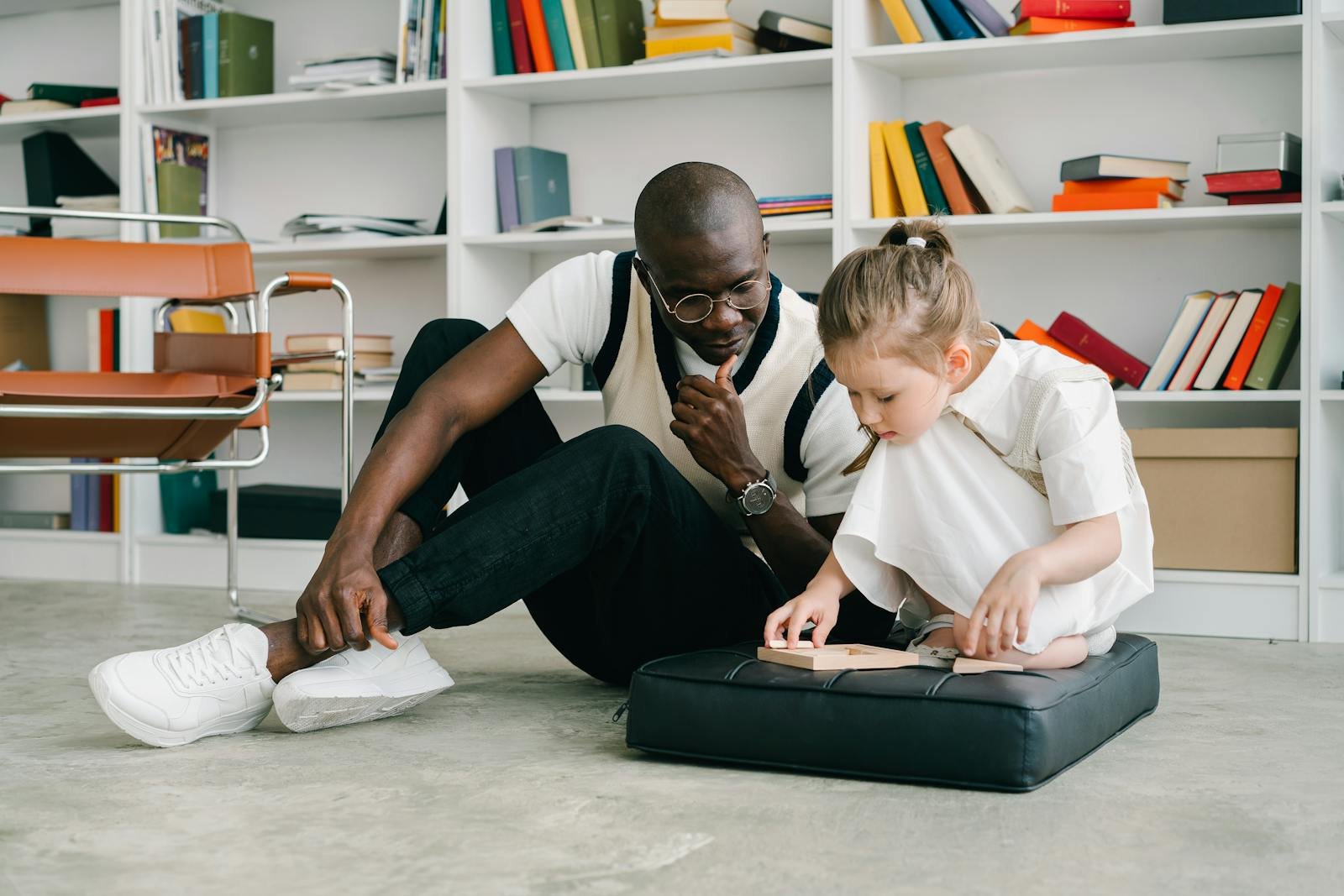
Play is a child’s natural language. Through play, drawings, stories, and games, children process emotions and experiences they may not have words for yet.
Emotion identification and expression
Children learn to recognize their feelings, name them, and express them in healthier ways.
Social and communication skills
We help children learn how to communicate needs, set boundaries, and navigate friendships more comfortably.
Parent guidance and involvement
Parents receive updates, strategies, and tools to reinforce emotional skills at home and strengthen the parent-child bond.
Coping skills
Practical techniques such as grounding, calming, emotional regulation, problem solving, and mindfulness are introduced at developmentally appropriate levels.
A warm, supportive environment
We ensure therapy is engaging, welcoming, and sensitive to the child’s unique personality and pace.
Benefits of Child Therapy
With time and support, many children begin showing changes such as:
- Improved emotional regulation
- Healthier responses to frustration
- Better communication with parents and peers
- Reduced anxiety or fearfulness
- Stronger confidence and self-esteem
- Improved behavior at home or school
- Better sleep and overall well-being
- More secure attachment and connection
- Greater ability to cope with life transitions
Child therapy helps children understand themselves better—and helps families move toward calmer, more harmonious relationships.
Telehealth and In-Person Options
We offer child therapy through Telehealth (Zoom) for families across California. Many clients appreciate the comfort, privacy, and convenience of connecting from home.
Some children prefer meeting in person; limited in-person sessions are available at our Citrus Heights, CA office.
Is Child Therapy Right for My Child?
Child therapy may be helpful if your child is struggling emotionally, acting out, withdrawing, or facing challenges at home or school. If you’ve noticed changes in behavior, mood, motivation, or social interactions, early intervention can make a meaningful difference. You don’t need a crisis to seek support—therapy is a proactive way to help children thrive.
Why Choose Us for Child Therapy
We offer compassionate, developmentally appropriate care that supports both children and their families. Our therapists understand the emotional world of children and use evidence-based tools to help them feel grounded, confident, and capable. By including parents in the process, we ensure that the support continues beyond the therapy room and into everyday life.