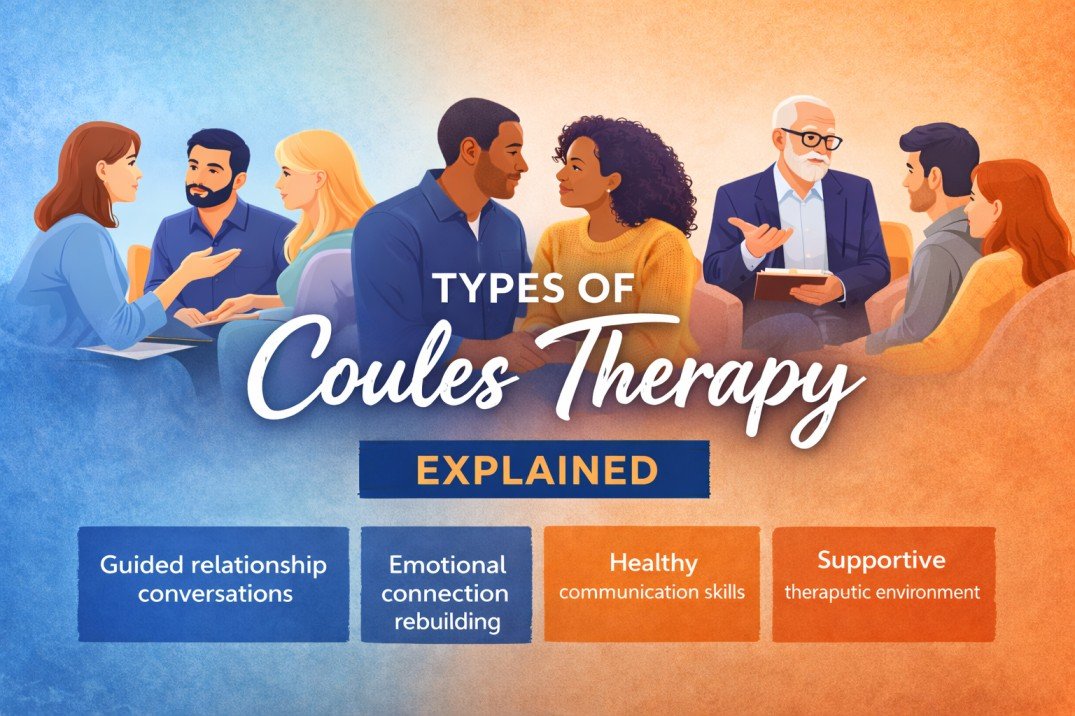
Every relationship experiences challenges at some point. Differences in communication styles, emotional needs, trust, intimacy, or life stressors can place strain on even the strongest partnerships. Couples therapy offers professional support to help partners better understand each other and strengthen their connection. However, many people are unaware that there are different types of couples therapy, each designed to address specific relationship dynamics.
This guide explores the most common types of couples therapy, how each approach works, and which relationship challenges they are best suited for, helping couples in Citrus Heights make informed, confident decisions when seeking professional couples therapy. Whether you are looking for in-person or online couples therapy in Citrus Heights, understanding these evidence-based approaches can help you choose the right therapeutic support to improve communication, rebuild trust, and navigate relationship challenges effectively.
What Is Couples Therapy?
Couples therapy is a form of psychotherapy that focuses on improving relationship functioning. A trained therapist works with both partners together to explore patterns, emotions, behaviors, and communication styles that affect the relationship. The goal is not to assign blame, but to foster understanding, emotional safety, and healthier ways of relating.
Couples therapy can be helpful for:
- Dating, engaged, or married couples
- Long-term partnerships
- Couples in conflict or crisis
- Partners seeking growth, clarity, or prevention
Therapy Models vs Techniques
It’s important to distinguish between therapy models and therapy techniques.
- Therapy models are structured frameworks that guide how therapy is conducted.
- Techniques or exercises are tools used within those models, such as reflective listening or communication skills.
This guide focuses on therapy models, helping you understand the overall approach rather than just individual exercises.
Emotion and Attachment-Based Couples Therapy
Emotionally Focused Therapy (EFT)
Emotionally Focused Therapy centers on emotional connection and attachment. It helps couples identify negative interaction cycles—such as pursuing and withdrawing—and replace them with secure, supportive patterns.
Best for:
- Emotional disconnection
- Repeated conflicts
- Feeling unheard, unseen, or unsafe
EFT is one of the most researched couples therapy approaches and emphasizes building trust and emotional closeness.
Imago Relationship Therapy
Imago Relationship Therapy explores how early life experiences shape adult relationships. Through structured dialogue, partners learn to understand each other’s emotional triggers and unmet needs.
Best for:
- Long-standing relationship struggles
- Strong emotional reactions
- Desire for deeper emotional insight
Thought and Behavior-Based Couples Therapy
Cognitive Behavioral Couples Therapy (CBCT)
CBCT focuses on how thoughts, emotions, and behaviors influence relationship conflict. Couples learn to identify unhelpful thinking patterns and replace them with healthier communication and problem-solving strategies.
Best for:
- Communication difficulties
- Negative thought cycles
- Frequent misunderstandings
Integrative Behavioral Couples Therapy (IBCT)
IBCT blends acceptance and change. Rather than trying to eliminate differences, couples learn to accept certain traits while improving how they respond to them.
Best for:
- Chronic conflict
- Personality differences
- Feeling stuck in repetitive arguments
Skills and Research-Based Couples Therapy
The Gottman Method
The Gottman Method is based on decades of relationship research. It focuses on strengthening friendship, managing conflict, and creating shared meaning.
Best for:
- Improving communication
- Rebuilding trust
- Strengthening emotional intimacy
This approach provides practical tools while addressing emotional connection.
Solution-Focused Couples Therapy
Solution-Focused Therapy is goal-oriented and short-term. Rather than focusing heavily on past problems, couples work toward practical solutions and positive change.
Best for:
- Specific, clearly defined concerns
- Couples seeking brief therapy
- Action-focused progress
Meaning and Insight-Oriented Couples Therapy
Narrative Couples Therapy
Narrative therapy helps couples separate the problem from the relationship. Partners learn to reframe negative stories and develop more empowering perspectives.
Best for:
- Blame cycles
- Shame or hopelessness
- Identity struggles within the relationship
Psychodynamic Couples Therapy
This approach explores unconscious patterns and unresolved past experiences that influence current relationship dynamics.
Best for:
- Deep-rooted emotional patterns
- Repeated relationship struggles
- Insight-oriented therapeutic work
Other Couples Therapy Approaches
In addition to well-known therapy models, couples may explore other approaches based on their needs. Discernment counseling helps couples gain clarity about continuing a relationship. Sex therapy addresses intimacy and desire, while developmental models support growth across life stages.
Matching Relationship Issues to Therapy Types
Although many approaches overlap, certain issues often respond well to specific therapies:
- Communication problems: CBCT, Gottman Method
- Emotional distance: EFT, Imago Therapy
- Ongoing conflict: IBCT, Gottman Method
- Trust or infidelity concerns: EFT, Gottman Method
- Feeling stuck or hopeless: Narrative Therapy
Do Therapists Use Only One Type of Couples Therapy?
In real-world practice, many therapists use an integrative approach, combining elements from multiple therapy models. This flexibility allows treatment to be tailored to the unique needs of each couple rather than following a rigid framework.
What to Expect in Couples Therapy
Couples therapy typically begins with an initial assessment in which the therapist learns about the relationship, current challenges, and goals for therapy. As sessions continue, partners explore recurring patterns, emotional responses, and communication habits that influence their relationship. Therapy often includes skill-building and emotional work to support healthier interactions, along with ongoing reflection and adjustment as progress unfolds. Change usually happens gradually, as new insights and behaviors replace old patterns over time.
Common Myths About Couples Therapy
- Couples therapy means the relationship is failing
- The therapist takes sides
- Therapy is only for married couples
In reality, couples therapy is a proactive step toward growth, understanding, and connection.
Final Thoughts
Understanding the different types of couples therapy can make seeking support feel more approachable and empowering. Each therapy model offers unique perspectives and tools, and the most effective approach is one that aligns with your relationship’s specific needs and goals.
With professional guidance, such as the compassionate, evidence-based care provided at Lumen Health & Psychological Services, couples can gain deeper insight into their relationship dynamics, strengthen emotional connection, and develop healthier patterns for the future. Couples therapy is not about blame or failure; it is about awareness, collaboration, and building a stronger foundation together.