
Teen therapy is structured mental health treatment designed specifically for adolescents, usually between ages 12 and 19, where a licensed therapist helps your teen manage emotional, behavioral, and social challenges through evidence-based methods and skill building. It is clinical care adapted to the developmental stage of adolescence, not casual advice.
Why the Teen Years Are Emotionally Complex
Adolescence involves rapid brain development. The emotional centers mature earlier than the prefrontal cortex, which controls impulse regulation and long-term judgment. That imbalance explains why your teen may feel emotions intensely yet struggle to manage them. Identity formation also accelerates. Teens evaluate who they are, how they fit socially, and how they compare academically. Social media increases comparison and rejection sensitivity. These factors create measurable psychological strain. Therapy addresses these developmental pressures directly.
What Issues Does Teen Therapy Help With?
Teen therapy treats diagnosable conditions such as anxiety disorders, depression, social anxiety, trauma related symptoms, eating disorders, and substance use. It also addresses anger outbursts, declining grades, school refusal, sleep disruption, and self-harm behavior. If your teen withdraws, becomes persistently irritable, engages in risky behavior, or expresses hopelessness, therapy provides structured intervention. Early treatment reduces long-term impairment. Untreated adolescent depression strongly predicts adult depressive episodes.
What Types of Therapy Do Teens Receive?
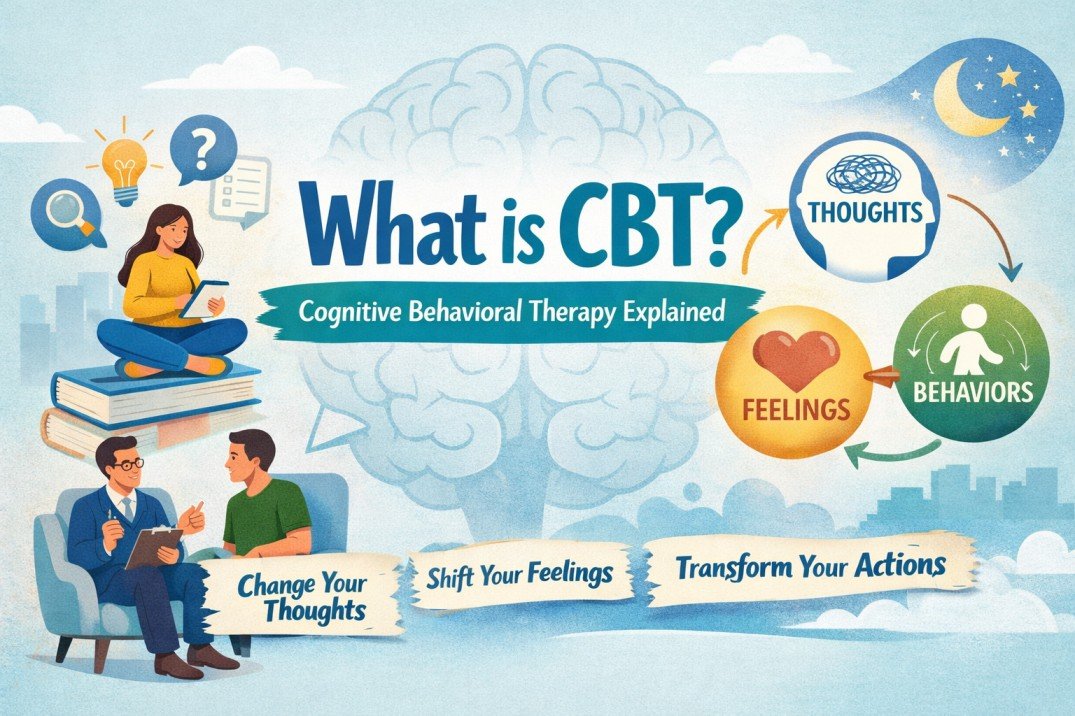
Cognitive Behavioral Therapy targets the connection between thoughts, emotions, and behavior. If your teen believes they are socially incompetent, anxiety rises and avoidance follows. CBT corrects distorted thinking and reduces symptoms.
Dialectical Behavior Therapy teaches emotional regulation and distress tolerance. It is effective for teens who struggle with impulsivity or self harm.
Family therapy improves communication and reduces conflict patterns that maintain symptoms.
Acceptance and Commitment Therapy increases psychological flexibility by helping teens act according to values rather than emotional impulses.
Interpersonal therapy focuses on relationship stress and grief.
Online therapy delivers structured treatment through secure platforms when risk remains low and home support is stable.
What Happens in a Teen Therapy Session?
Treatment begins with a comprehensive assessment of mood, behavior, school performance, family dynamics, trauma history, and safety risk. The therapist sets measurable goals. Sessions focus on skill development, cognitive restructuring, emotional processing, and behavioral change. Progress is tracked. If improvement stalls, the treatment plan changes.
Is Teen Therapy Confidential?
Confidentiality forms the foundation of effective treatment. Therapists maintain privacy except when safety risks arise, such as threats of self-harm or abuse. Outside those situations, parents receive general updates without disclosure of sensitive details. Clear boundaries increase honesty and engagement.
What Are the Benefits of Teen Therapy?
Teen therapy improves emotional regulation, strengthens coping skills, reduces symptom severity, and restores daily functioning. Academic performance often improves as anxiety decreases. Family conflict declines when communication becomes structured rather than reactive. Long-term studies show that early intervention lowers the risk of chronic mental illness in adulthood.
How Do You Talk to Your Teen About Therapy?
Speak calmly and directly. Describe what you observe without blame. Present therapy as support, not correction. Involve your teen in choosing a therapist when possible. A respectful introduction increases acceptance.
How Do You Choose the Right Teen Therapist?
Verify licensure and adolescent specialization. Ask about treatment approach, parent involvement, and crisis protocols. Fit matters. Your teen must feel understood.
When Should You Seek Help?
If you are considering professional support for your teen, working with a specialized provider matters. At Lumen Health & Psychological Services Inc, clinicians focus on structured, evidence based adolescent care tailored to your teen’s developmental stage, emotional needs, and family context. The goal is clear assessment, measurable progress, and practical skill building that supports long term stability and resilience.