Depression therapy in California includes in person and online treatment with licensed therapists, psychologists, and psychiatrists who use evidence based approaches such as cognitive behavioral therapy, medication management, and structured psychotherapy. You can access outpatient sessions, intensive programs, or residential care depending on symptom severity. Treatment focuses on reducing depressive symptoms, improving functioning, and restoring emotional stability. If depression is affecting your mood, motivation, or relationships, starting therapy can help you regain balance and daily functioning.
What Is Depression Therapy
Depression therapy is professional mental health treatment designed to address persistent sadness, low energy, loss of interest, and cognitive difficulties. A licensed clinician evaluates your symptoms, identifies contributing factors, and develops a treatment plan tailored to your needs.
Therapy helps by targeting patterns that maintain depression. Cognitive behavioral therapy changes negative thought cycles. Interpersonal therapy focuses on relationship stress and life transitions. Psychodynamic therapy explores deeper emotional patterns. Medication management supports mood regulation when symptoms remain moderate or severe. Treatment remains personalized and evolves as your symptoms improve.
Also Read: How Much Does Couples Therapy Cost?
Signs You May Need Depression Therapy
Persistent sadness that lasts most of the day for weeks often signals depression. Loss of interest in activities you once enjoyed is another common sign. You may notice reduced motivation and difficulty completing routine tasks.
Low energy becomes frequent and even small responsibilities feel overwhelming. Sleep changes may include insomnia or excessive sleeping. Difficulty concentrating can affect work and decision making. Feelings of hopelessness may increase. Social withdrawal often develops as you avoid interaction or feel disconnected. When these symptoms interfere with daily functioning, depression therapy becomes appropriate.
Also Read: What Are The 4 Types Of Family Therapy?
Types of Depression Therapy Available in California
Cognitive Behavioral Therapy CBT
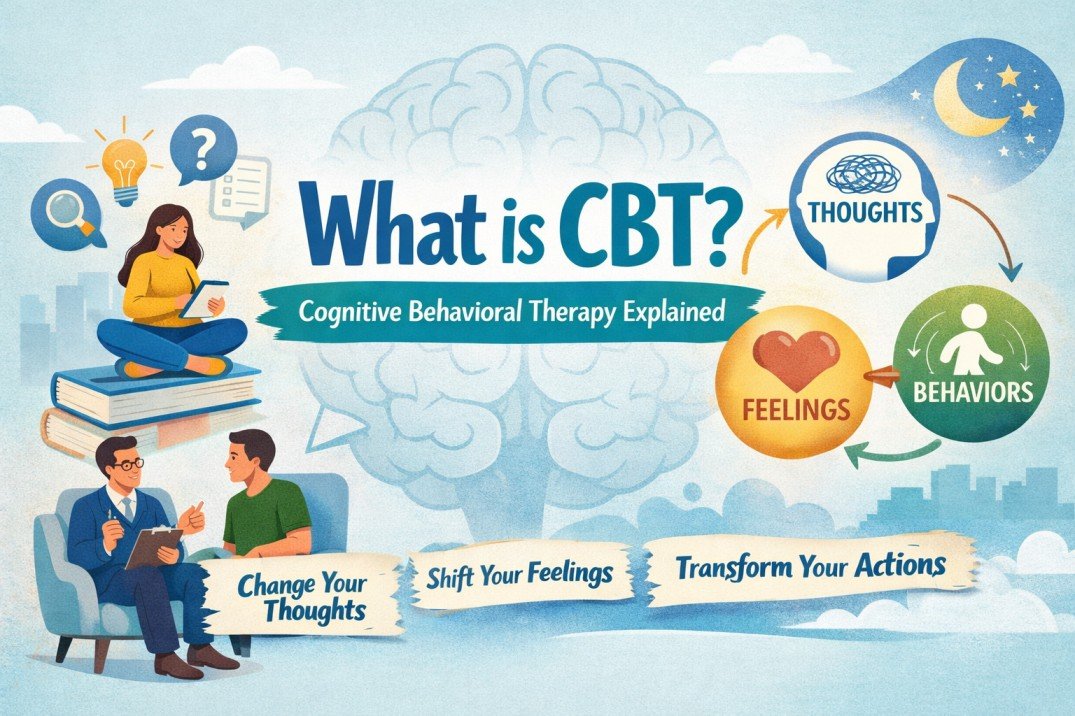
Cognitive behavioral therapy focuses on identifying negative thinking patterns and replacing them with balanced thoughts. It also encourages gradual re engagement in meaningful activities. This method has strong research support for treating depression.
Dialectical Behavior Therapy DBT
Dialectical behavior therapy helps individuals who experience intense emotional distress along with depression. It teaches emotional regulation, distress tolerance, and mindfulness skills.
Medication Management
Medication management includes psychiatric evaluation and antidepressant treatment when symptoms remain persistent or severe. Providers monitor progress and adjust treatment as needed.
Talk Therapy
Talk therapy provides one on one sessions focused on emotional processing, coping strategies, and behavioral change. This approach helps you understand underlying stressors and develop healthier responses.
Holistic Therapy
Holistic therapy integrates lifestyle factors such as sleep regulation, stress management, physical activity, and nutrition. These elements support mood stabilization and recovery.
Online Depression Therapy California
Online depression therapy California services allow secure video sessions from home. Virtual care improves accessibility and helps maintain consistent treatment.
Also Read: What Does A Relationship Therapist Do?
Advanced Depression Treatments in California
TMS Therapy for Depression
Transcranial magnetic stimulation uses targeted magnetic pulses to stimulate areas of the brain involved in mood regulation. This non invasive treatment helps individuals who do not respond to standard therapy.
Ketamine Therapy
Ketamine therapy targets brain pathways linked to severe depression. Some individuals experience rapid symptom relief when traditional medications have not helped.
Treatment Resistant Depression Programs
Treatment resistant programs combine therapy, medication adjustments, and advanced interventions for individuals who have not improved with standard care.
Intensive Outpatient Programs
Intensive outpatient programs provide structured therapy several hours per day. You receive individual therapy, group support, and psychiatric care while living at home.
Residential Depression Treatment
Residential treatment offers 24 hour structured care in a supportive environment. This level helps individuals with severe symptoms or safety concerns.
Inpatient vs Outpatient Depression Therapy in California
Residential treatment provides full time care with therapy and medical supervision. This level suits severe depression or safety risk.
Outpatient therapy involves regular sessions while you continue daily responsibilities. This option works for mild to moderate symptoms.
Intensive outpatient programs provide multiple therapy sessions each week. Partial hospitalization programs offer full day structured care. Choosing the right level depends on symptom severity and functional needs.
Depression Therapy for Co-Occurring Conditions
Depression often occurs alongside other mental health conditions. Depression and anxiety frequently overlap and require integrated treatment. Trauma related depression requires stabilization and gradual emotional processing.
Depression and substance use often reinforce each other. Treatment focuses on both mood regulation and substance patterns. Depression with ADHD may develop from chronic stress and executive dysfunction. Integrated treatment planning improves long term outcomes.
Who Can Benefit From Depression Therapy in California
Adults may seek therapy for persistent sadness or life transitions. Teens often experience depression related to academic pressure and social stress. Professionals may struggle with chronic work stress.
Women may experience depression during hormonal changes. Seniors may face isolation or grief. Students often struggle with performance pressure. Couples may seek therapy when depression affects communication and relationships.
Online Depression Therapy California vs In Person Care
Telehealth therapy allows you to attend sessions from home. Flexible scheduling improves consistency. Virtual medication management allows psychiatric follow up without travel.
Remote support helps maintain continuity of care. In person therapy provides stronger nonverbal communication and structured environment. The right option depends on comfort level and symptom severity.
How to Find the Right Depression Therapist in California
Licensed providers include psychologists, psychiatrists, licensed clinical social workers, and marriage and family therapists. Look for depression specialization and experience treating mood disorders.
Review treatment approach and ensure it matches your needs. Consider online vs in person availability. Personalized care and a strong therapeutic relationship improve outcomes.
What to Expect During Your First Therapy Session
The initial assessment focuses on understanding your symptoms and stressors. You discuss mood changes, sleep patterns, and daily functioning. The therapist develops a treatment plan.
Goal setting defines progress and expectations. Follow up sessions focus on skill building, emotional processing, and monitoring improvement.
Benefits of Depression Therapy
Depression therapy helps improve mood and emotional stability. Anxiety often decreases as coping skills strengthen. Better sleep develops as daily structure returns.
You learn healthy coping skills and emotional regulation strategies. Relationships improve as communication becomes clearer. Increased motivation supports return to daily activities.
How to Start Depression Therapy in California
Step 1 Contact provider
Step 2 Schedule consultation
Step 3 Initial evaluation
Step 4 Begin treatment
Step 5 Ongoing support
Frequently Asked Questions
Depression therapy is effective for most individuals when treatment matches symptom severity. Many people notice improvement within several weeks.
Duration varies depending on symptoms and goals. Some individuals benefit from short term therapy while others continue longer.
Medication is not always required. Mild depression may improve with therapy alone. Moderate to severe depression may benefit from combined treatment.
Severe depression can be treated using structured therapy, medication, and advanced interventions such as TMS or intensive programs.
Online therapy is effective for many individuals and produces outcomes comparable to in person treatment.
Choose a licensed provider with depression experience, a clear treatment approach, and communication style that feels comfortable.
Conclusion
Depression therapy in California offers confidential support with personalized treatment plans. In person and virtual sessions provide flexible care options, allowing you to begin treatment in a way that fits your schedule and comfort level. Early support helps reduce symptoms, improve daily functioning, and restore emotional balance. You can connect with Lumen Health & Psychological Services Inc to begin depression therapy with a structured, individualized approach focused on long term recovery.